It was August 14, 2003, a hot Thursday afternoon in Ohio. Inside a control room at FirstEnergy, an engineer named Michael K. was monitoring the power grid — a web of wires stretching across the northeastern United States. He’d done this a thousand times. Nothing unusual. Just another day keeping the lights on for millions.
But that day, a tiny mistake slipped through.
A single alarm system — meant to warn operators when power lines overheated — had quietly failed. No one noticed. No one heard the alert that never came.
Outside, near Cleveland, one transmission line sagged under the summer heat. It brushed against an overgrown tree branch. The line shorted out. Then another. Then another.
Within minutes, the grid began to collapse like dominoes.
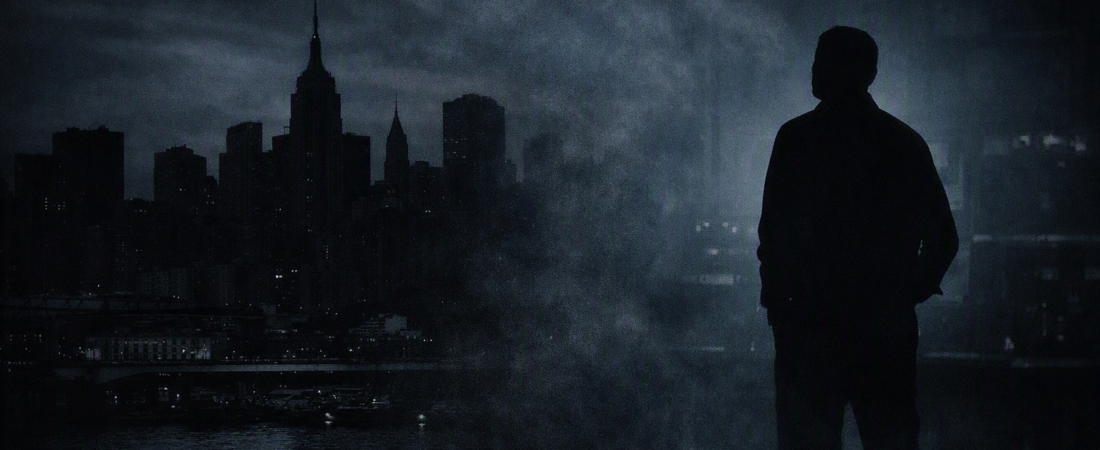
By 4:10 PM, New York City went dark. Elevators stopped mid‑floor. Subway trains froze underground. Hospitals switched to emergency generators. Fifty million people across eight states and Canada lost power. The blackout stretched from Detroit to Toronto, from Buffalo to Manhattan.
Airports shut down. Water systems failed. People slept on sidewalks. The city that never sleeps… did.
All because of one unnoticed alarm — one tiny system glitch.
Investigators later found that if the engineer had seen the warning, he could have rerouted power in seconds. But the software froze. The screen stayed silent. And the silence spread across half a continent.
It took two days to restore power. The cost: $6 billion. The lesson: priceless.
That single moment changed how the world manages electricity. It led to new safety protocols, smarter grids, and real‑time monitoring systems used worldwide today.
A missed alarm. A fallen branch. A continent in darkness.
Tiny mistake. Enormous impact.
Inspired by: the true story of the 2003 Northeast Blackout